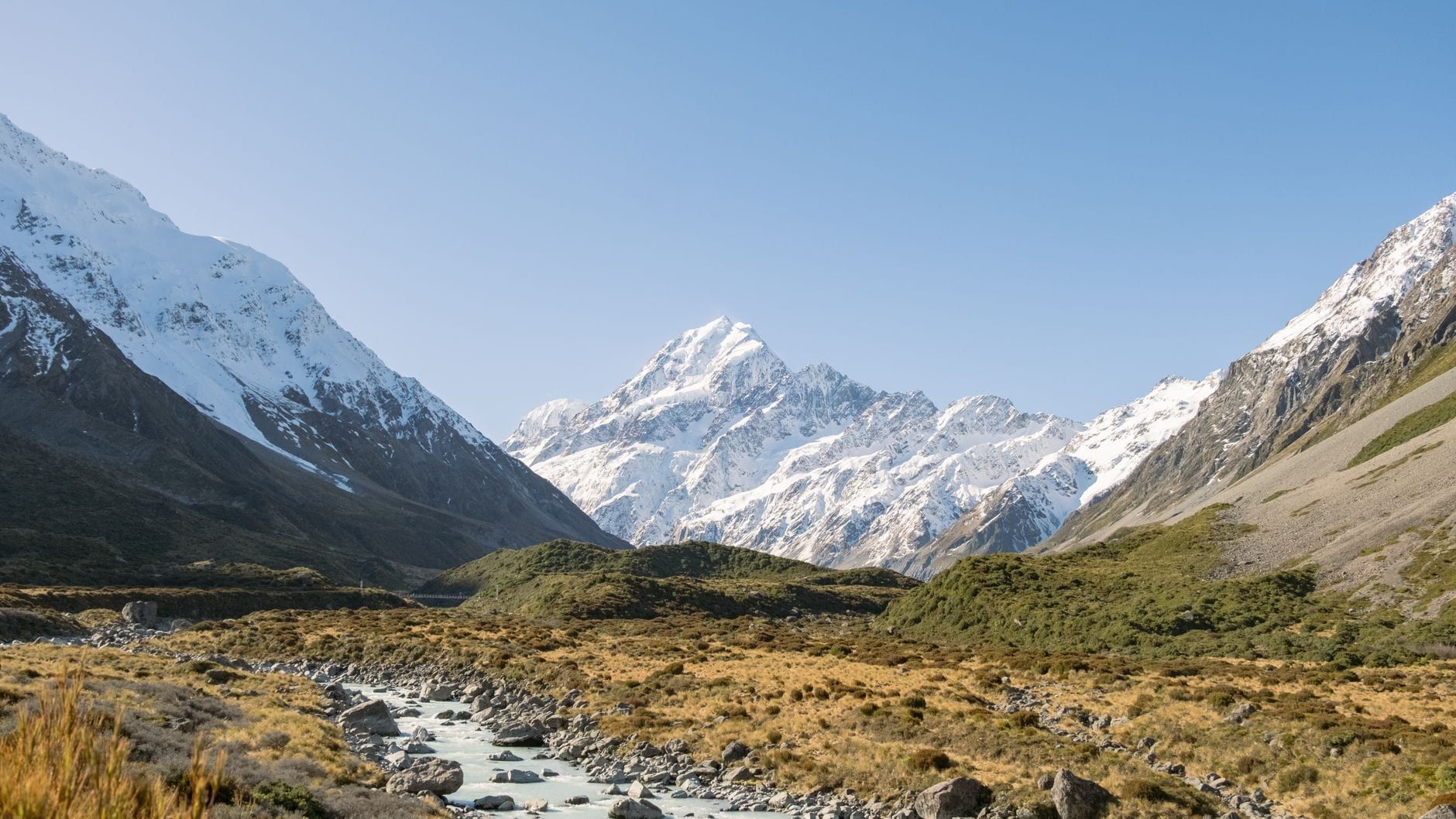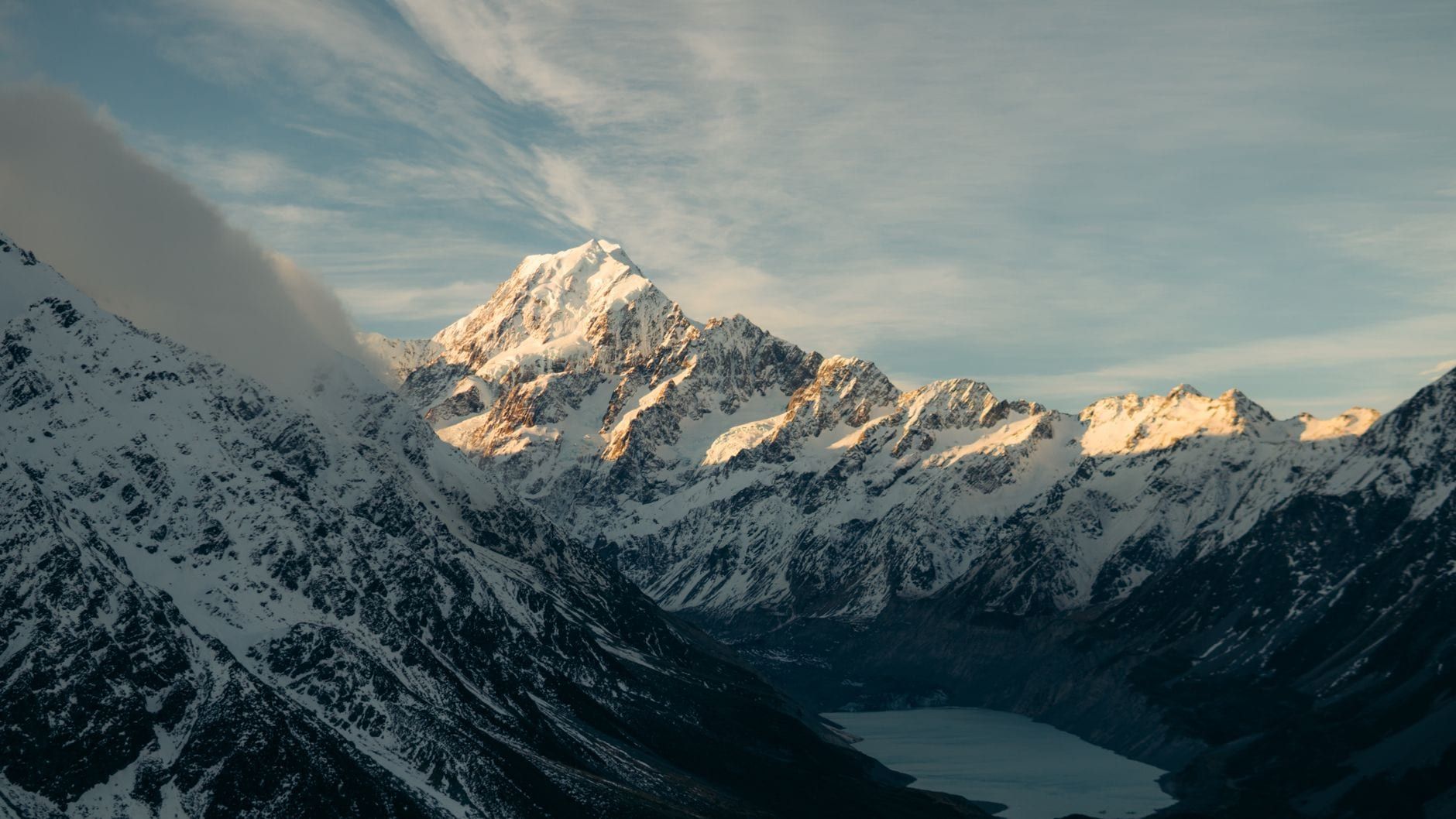
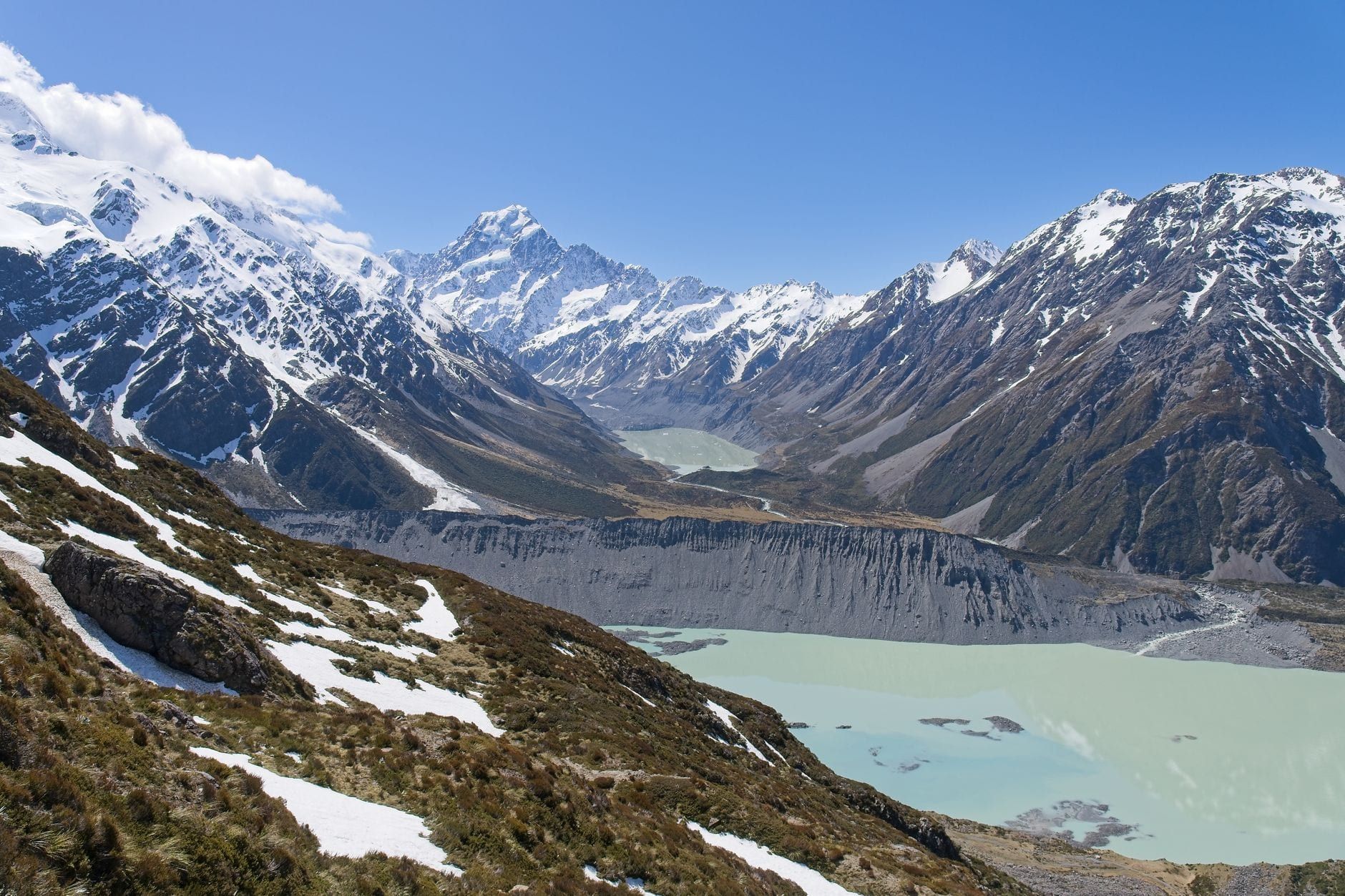
Aoraki/Mount Cook National Park packs New Zealand's tallest mountain, its longest glacier and one of the largest Dark Sky Reserves on the planet into just 707 square kilometres of Canterbury high country. The peak itself climbs to 3,724 metres, and glaciers cover close to 40% of the park below it — a scale that makes even a short walk here feel more dramatic than most full-day hikes elsewhere.
This guide ranks the activities worth building a trip around: which trail suits a single morning, when a scenic flight beats a boat cruise, and how to fill a wet afternoon without wasting it.
Mount Cook at a Glance
Aoraki/Mount Cook National Park covers 707 square kilometres of the Southern Alps in Canterbury, built around the tiny settlement of Mount Cook Village. Glaciers cover roughly 40% of the park, including Tasman Glacier, New Zealand's longest at about 23km and up to 600 metres deep. Aoraki/Mount Cook rises 3,724 metres above it all, the country's tallest peak. To Ngāi Tahu, Aoraki is the most sacred ancestor, the frozen form of a fallen sky father, and the Māori name comes first here for good reason.
Getting here means committing to a drive: Christchurch is about 4 hours away (330km), Queenstown roughly 3 to 3.5 hours, and Lake Tekapo just an hour down SH8 and SH80. Full driving directions are worth checking before you leave, since SH80 can occasionally close with snow. If you'd rather skip the wheel entirely, guided day tours from Queenstown handle the drive and the highlights in one trip.
Budget one day for the essentials — the Hooker Valley Track plus a viewpoint or the visitor centre — and 2-3 days if you want a scenic flight, a tougher hike, or a stargazing session with room for bad weather. The whole region sits inside the Aoraki Mackenzie Dark Sky Reserve, over 4,300 square kilometres and one of the largest dark sky reserves anywhere. One practical warning: Mount Cook Village has a single fuel pump, no ATM and no supermarket, so fill up and shop in Twizel, about an hour south.
The Best Walks and Hikes in Mount Cook
Walking is the main reason most people come to Mount Cook, and the park's trails run from a flat half-hour stroll to a steep overnight climb. All the major tracks start from the White Horse Hill car park, where parking costs $2.50 NZD per half hour or $25 NZD per day, free under 20 minutes, card only — see current opening hours and fees.
Hooker Valley Track
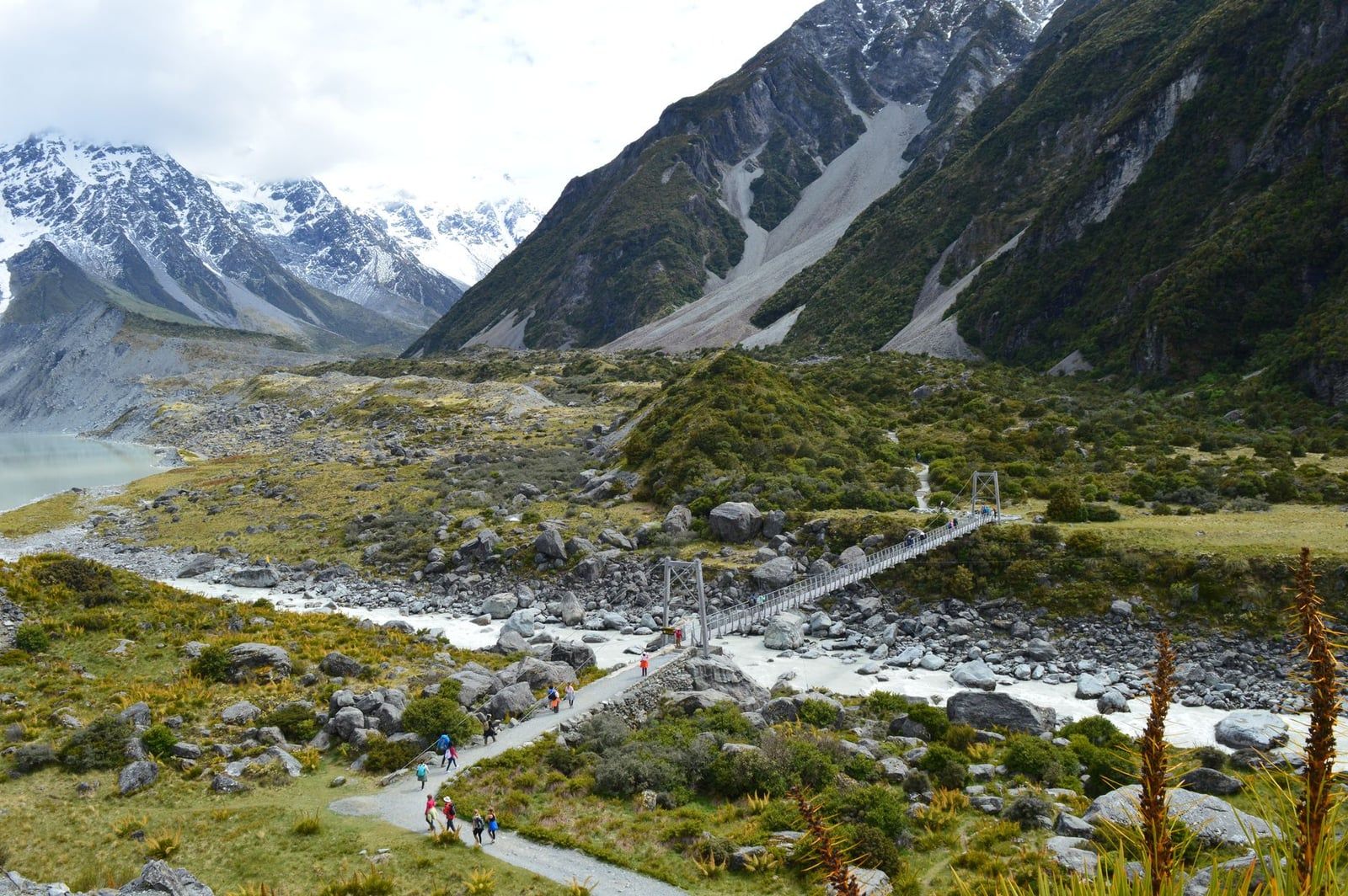
The Hooker Valley Track is the one to do if you only do one thing at Mount Cook: 10km return, about 3 hours, easy-to-intermediate grade. It crosses three swing bridges over the glacial Hooker River, including a new 189-metre span that reopened on 28 July 2026 as New Zealand's longest suspension bridge, before ending at Hooker Lake, where icebergs drift beneath Aoraki's sheer south face in summer. The first 700 metres to the Mueller Lake Lookout is flat gravel, manageable for wheelchairs, buggies and anyone short on time.
Kea Point Track
Kea Point is about an hour return from White Horse Hill Campground and ends at a boardwalk looking straight across Mueller Lake to the glacier's crumbling terminal face. It's an easier alternative to Hooker Valley when you're short on time, and kea, the world's only alpine parrot, often turn up along the way. Don't feed them; it's harmful, and DOC actively discourages it.
Tasman Glacier View and Blue Lakes
The Tasman Glacier View Track is about an hour return and climbs to a lookout over New Zealand's longest glacier and its iceberg-studded terminal lake. The nearby Blue Lakes Loop adds a flat 2.4-2.6km — worth doing for the walk itself, though the lakes have lost most of their blue tint over the decades and some guides call them skippable. Do the glacier lookout; treat Blue Lakes as a bonus, not the destination.
Short Village Walks
Four short loops start right in the village and suit anyone easing in or filling a spare hour.
- Governors Bush: 1.2km loop through alpine beech forest, about an hour.
- Bowen Bush: a quick 250m loop, roughly 10 minutes.
- Glencoe: about 30 minutes, with village and mountain views.
- Red Tarns: 2.4km with 300m of climbing, about 1 hour 26 minutes.
Sealy Tarns Track
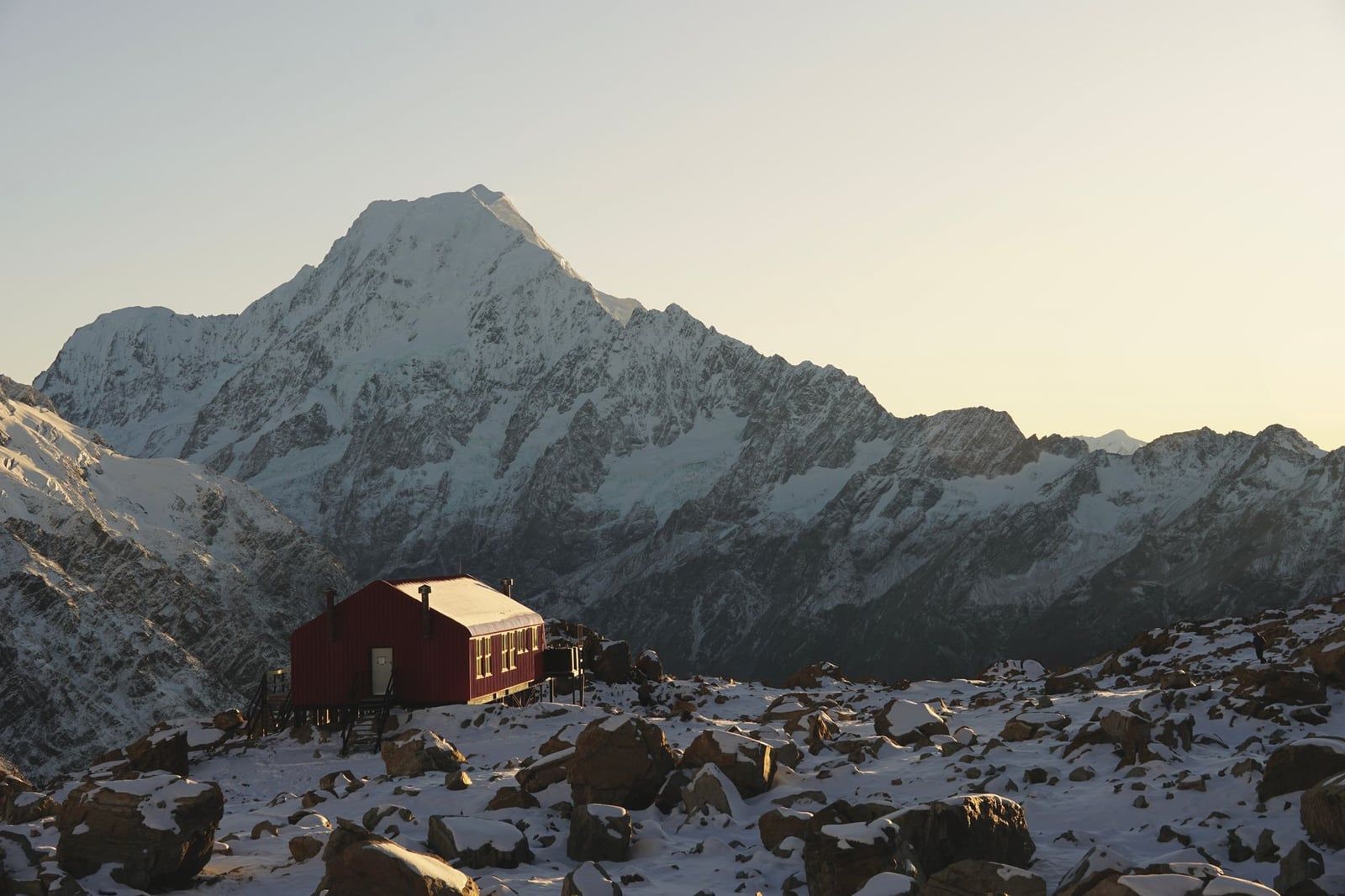
Sealy Tarns is the park's stair climb: about 2,200 steps and 600-650 metres of elevation gain over 3-4 hours return. It's the first half of the Mueller Hut Route, so you can turn around at the tarns for the view without committing to the full overnight climb. The payoff is a direct look across the valley at Aoraki's summit ridge, steep but requiring no technical skill.
Mueller Hut Route
Beyond Sealy Tarns, the route to Mueller Hut climbs 1,042 metres over 5.5km one-way from White Horse Hill, roughly 4 hours up. The hut sleeps climbers and trampers at 1,800 metres with sunrise views straight at Aoraki, and costs $62 NZD per adult and $31 NZD per child a night in peak season. Book online for trips between 11 November and 30 April; outside that window, buy a ticket in person at the Visitor Centre instead. For pacing, gear and other trail options, the full hiking guide covers every route in the park in more depth.
| Track | Distance & Time | Difficulty |
|---|---|---|
| Hooker Valley Track | 10km return, ~3 hrs | Easy-intermediate |
| Kea Point Track | ~1 hr return | Easy |
| Tasman Glacier View / Blue Lakes | ~1 hr / 2.4-2.6km | Easy |
| Village walks (Governors Bush, Red Tarns, etc.) | 10 min - 1.5 hrs | Easy |
| Sealy Tarns Track | ~2,200 steps, 3-4 hrs return | Hard |
| Mueller Hut Route | 5.5km one-way, ~4 hrs up | Very hard, overnight |
Scenic Flights: Helicopter and Ski Plane Tours
Flying is the fastest way to see what the trails only hint at: the full length of Tasman Glacier, the crevasse fields, Aoraki's summit ridge from an angle no hiker reaches. Both helicopters and ski planes fly out of Mount Cook Airport, and both are entirely weather-dependent, so book with flexible dates if you can and expect occasional cancellations.
Helicopter Flights
Helicopter options scale with your budget and time: a 20-minute Alpine Vista flight runs about $337 NZD, a 40-minute version around $592 NZD, and the full 50-minute flight with an alpine snow landing on Tasman Glacier and views of Fox and Franz Josef Glaciers costs about $780 NZD. The landing flights are worth the splurge — stepping onto permanent snowfield at 2,000-3,000 metres isn't something the hiking trails can match. Helicopter tours depart daily from the village in good weather.
Ski Plane Tours
A 45-minute ski plane tour over the Southern Alps and Tasman Glacier, with a snow landing included, starts at about $599 NZD per adult. Ski planes use skis instead of a helipad, so the landing itself is smoother, good for anyone nervous about a helicopter's more abrupt touchdown.
| Helicopter | Ski Plane | |
|---|---|---|
| Duration | 20-50 minutes | 45 minutes |
| Price (adult) | $337-$780 NZD | From $599 NZD |
| Glacier landing | Included on the 50-min flight only | Included |
| Best for | Short flights on tighter budgets | One all-in-one landing experience |
Glacier Adventures: Kayaking, Boat Cruises and Heli-Hikes
For a closer look than any viewpoint allows, three operators get you onto or right beside the ice without ropes or mountaineering experience.
Glacier Explorers Boat Cruise
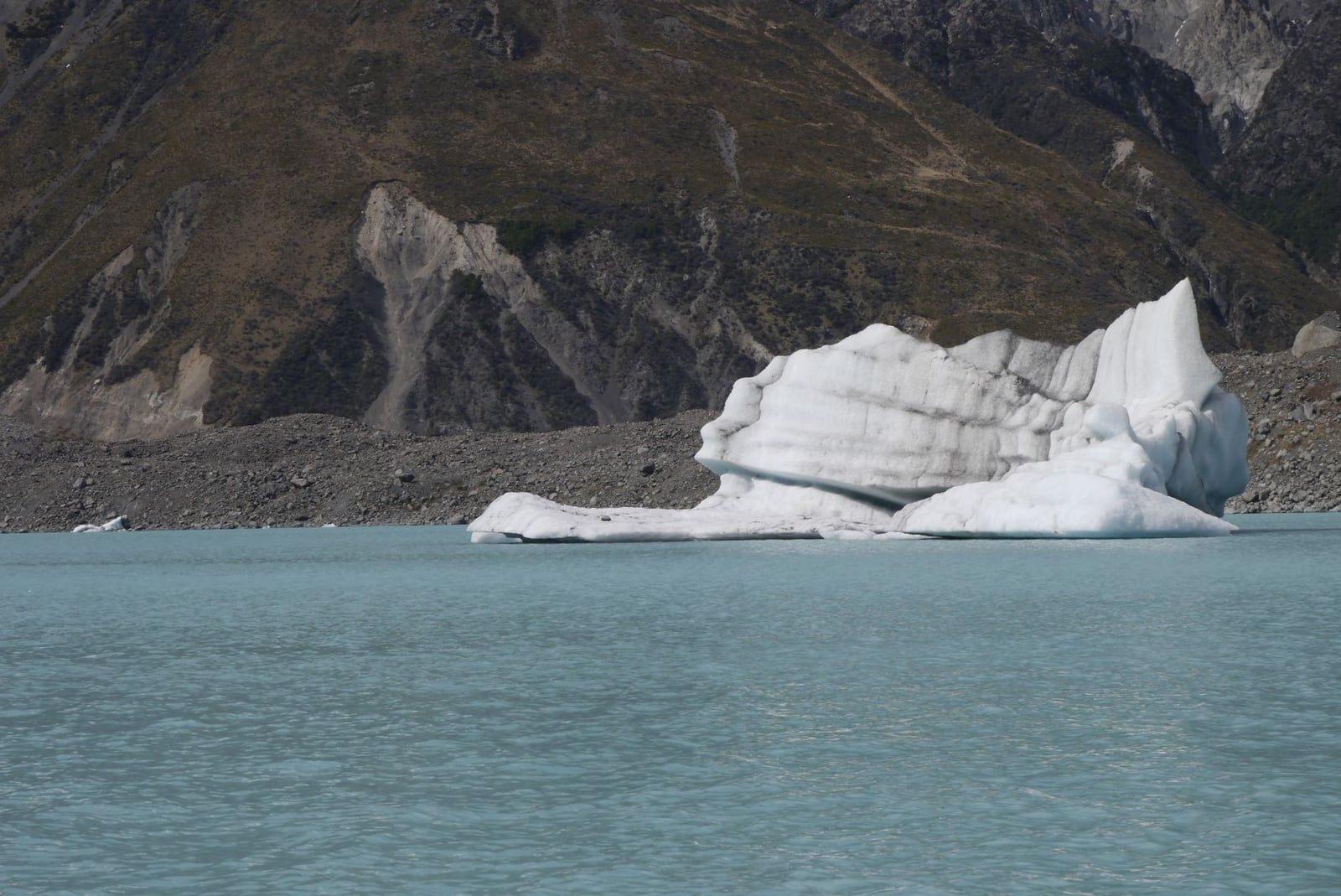
The Glacier Explorers boat cruise spends about 3 hours total, including transfers, weaving a small boat between icebergs on Tasman Lake, and starts at $179 NZD per adult. Guides pull chunks of centuries-old ice from the water for a close look — it's the easiest way to feel the scale of Tasman Glacier without hiking.
Glacier Kayaking
Kayaking Tasman Lake runs 4-6 hours and costs $250-295 NZD per person; paddlers need to be at least 15. Mueller Lake kayak tours, a quieter alternative, start from $320 NZD. Either puts you at water level among floating ice, a different perspective from the boat cruise's higher vantage.
Heli-Hike on Tasman Glacier
A guided heli-hike takes about 3 hours total, including roughly 2 hours walking on the glacier itself in crampons and glacier boots supplied by the operator. It's the only way to actually stand on Tasman Glacier rather than look at it from lake level. Check current glacier tour operators for availability, since numbers are limited by ice conditions each season.
Adrenaline Activities: Skydiving and Heli-Skiing
Mount Cook has two ways to get the heart rate up beyond a stair climb: jumping out of a plane over Lake Pukaki, or skiing terrain a lift will never reach.
Skydiving over Lake Pukaki
Skydive Mount Cook offers three jump heights: 9,000ft for about 20 seconds of freefall ($329 NZD), 13,000ft for around 45 seconds ($399 NZD), and 15,000ft for a full 60 seconds ($499 NZD). Every jump floats down over Lake Pukaki's turquoise water with Aoraki filling the horizon — pick the highest jump you can afford, the extra freefall time is the whole point.
Heli-Skiing on Tasman Glacier
Mount Cook HeliSki has operated since 1974 and covers about 200 runs across six mountains, averaging 800 vertical metres with a maximum drop of 1,200 metres. Trips start from $1,595 NZD for 5 runs and run only from 1 July to 30 September, strictly for confident intermediate-to-advanced skiers and boarders. A backcountry ski-plane drop is also available through the same season for experienced skiers chasing untracked lines further from the lift-served runs.
Stargazing in the Dark Sky Reserve
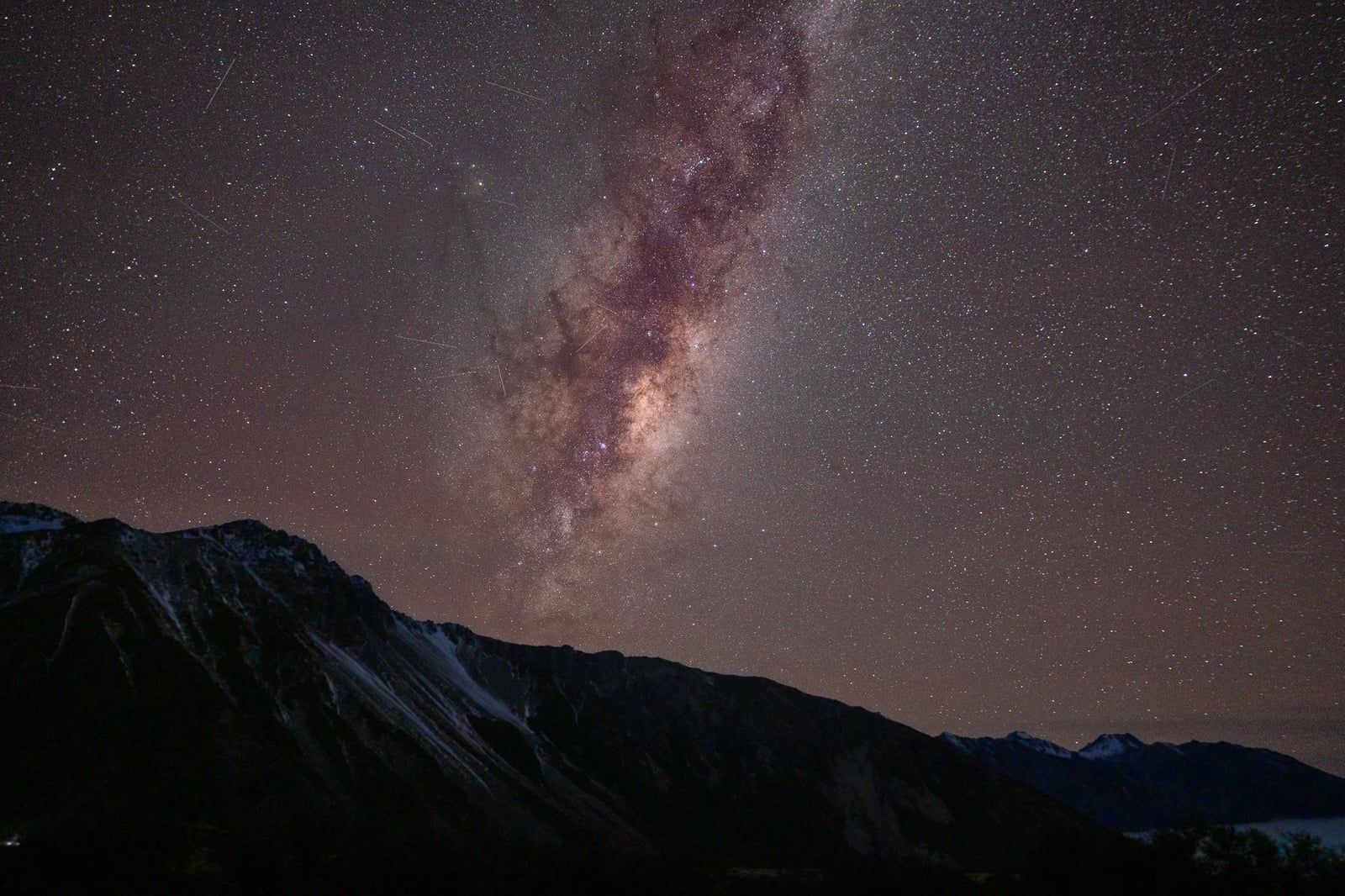
Mount Cook Village sits inside the Aoraki Mackenzie Dark Sky Reserve, and on a clear moonless night the Milky Way is bright enough to cast a faint shadow. No filters or telescope needed at first, just distance from the village lights.
Free Stargazing Spots
White Horse Hill car park and the Tasman Glacier car park both offer wide, unobstructed sky with minimal light spill, and both are a short drive or walk from the village. Bring a torch with a red filter if you have one, warm layers regardless of season, and give your eyes 15-20 minutes to adjust before the fainter stars show up.
Guided Big Sky Stargazing Tour
The Big Sky Stargazing tour departs from the Hermitage Hotel, runs 90 minutes, and starts at $139 NZD per adult and $79 NZD per child. Guides run telescopes and point out the Southern Cross, the Magellanic Clouds and whatever planets are up that night. It's worth the cost on a clear night, pointless if cloud is forecast, so check conditions before booking. Stargazing tours run year-round, weather permitting.
Cultural and Indoor Attractions
Bad weather doesn't have to waste a day here; three options need nothing more than a jacket for the walk between buildings.
Sir Edmund Hillary Alpine Centre
The Alpine Centre's Explorer Pass costs about $25 NZD for adults and $15 NZD for children, covering unlimited access for 24-48 hours to its museum, theatre shows and planetarium. That planetarium is the world's southernmost digital dome planetarium, a fitting detail for a museum named after the man who trained on these mountains before climbing Everest in 1953.
DOC Visitor Centre
The DOC Aoraki/Mount Cook Visitor Centre is free and doubles as a small museum covering climbing history, glacial geology and Ngāi Tahu culture. It's open daily, 8:30am-5pm in summer (October-April) and 8:30am-4:30pm in winter, and it's where you register intentions before any serious tramping trip and buy hut tickets outside the online booking season.
Dining at the Hermitage
The Hermitage Hotel has operated since 1884, and its Alpine Restaurant serves a buffet breakfast for about $39 NZD and a buffet dinner for about $79 NZD, both facing a wall of glass toward Aoraki. It isn't cheap, but it's the only sit-down dinner with a mountain view for a long drive in either direction.
Scenic Drives and Viewpoints Along the Way
The approach on SH80 is part of the visit, not just a means to get there, and three stops make the drive worth slowing down for.
Lake Pukaki Viewpoints
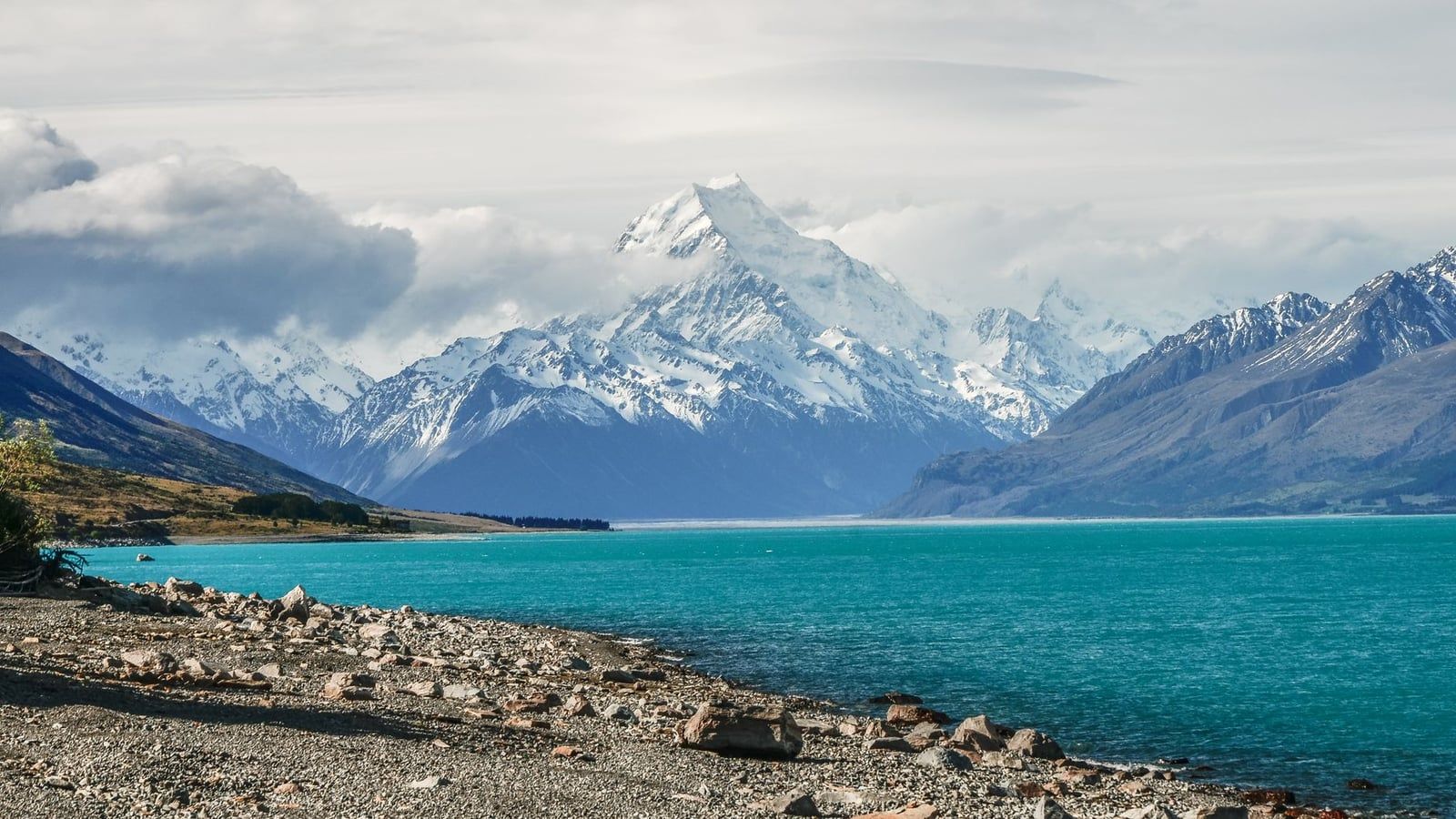
The drive along Lake Pukaki on SH80 takes roughly 45 minutes to an hour from the highway turnoff to Mount Cook Village. It's a classic South Island drive, especially on a clear day when Aoraki fills the windscreen for the last stretch. The lake's glacial rock flour turns the water a milky turquoise, and the DOC lookout near the visitor centre turn-off frames the mountain almost dead ahead. A bronze tahr statue near the lake's southern end marks another easy pull-off for photos.
Peter's Lookout
Peter's Lookout is a roadside stop further along SH80, giving a wide view back across the lake to the mountain without any walking required. It suits anyone short on time or traveling with people who can't manage the longer trails.
Salmon Shop and Fuel Stops
The Mt Cook Alpine Salmon shop near Lake Pukaki is a quick stop for smoked salmon and salmon caviar straight from the farm, a good excuse to stretch your legs mid-drive. It's also your last realistic grocery stop before the village, since Mount Cook itself has no supermarket, so buy food and fill the tank in Twizel if you haven't already.
Where to Stay to Make the Most of Your Visit
Where you sleep decides how early you're on the trail and how far you drive at the end of a long day; three options cover most budgets.
In the Village
Options inside Mount Cook Village run from the historic Hermitage Hotel to the Aoraki Mount Cook Alpine Lodge, a YHA hostel and a handful of motels, all within walking distance of the main trailheads. Book early: in-village rooms can sell out up to six months ahead for peak summer dates.
White Horse Hill Campground
White Horse Hill Campground, DOC-operated and right at the Hooker Valley trailhead, costs about $15 NZD per adult per night and requires booking ahead — it's the cheapest bed in the park and the best base for an early start on Hooker Valley before the day-trip crowds arrive.
Alternative Bases
If the village is full, Twizel (about an hour away) has more accommodation and actual supermarkets, and Lake Tekapo (also about an hour) works as a base with its own dark-sky attractions. Glentanner Park, on Lake Pukaki roughly 20 minutes from the village, has additional camping and holiday-park facilities for self-contained vehicles.
Planning Your Visit: When to Go and How Long to Stay
October through April is best for walking: trails clear of snow, longer daylight, and alpine flowers peaking from December to March. Heli-skiing flips that calendar, running only from 1 July to 30 September, and stargazing works year-round on any clear night, with crisp winter air sometimes giving the sharpest views.
One Day at Mount Cook
- Morning: walk the Hooker Valley Track (10km, about 3 hours).
- Midday: lunch in the village, then the DOC Visitor Centre.
- Afternoon: Lake Pukaki viewpoints on the drive out.
Two to Three Days
- Day 1: Hooker Valley Track, then the Visitor Centre or Alpine Centre.
- Day 2: a scenic flight or glacier boat cruise, then Kea Point or Sealy Tarns.
- Day 3: the Mueller Hut climb, or a guided stargazing tour if skies are clear.
Build in a spare afternoon if you can. Alpine weather changes fast here, and a scenic flight or stargazing tour booked for a cloudy day is money wasted — a flexible schedule beats a tight one every time.
Frequently asked questions
How many days do you need in Mount Cook National Park?
One day covers the highlights: the Hooker Valley Track plus a viewpoint or the Alpine Centre. Give it 2-3 days if you want a harder hike, a scenic flight, and a buffer for alpine weather, which can turn quickly.
Is the Hooker Valley Track open?
Yes. It fully reopened on 28 July 2026 after construction on a new second swing bridge, a 189-metre span that's now New Zealand's longest suspension bridge. The complete 10km, 3-hour return walk is accessible again.
What is the best hike in Mount Cook?
The Hooker Valley Track is the most popular and easiest to access: 10km return on an easy-to-intermediate grade, ending at an iceberg-studded glacial lake. For something tougher with bigger views, Sealy Tarns (about 2,200 steps) and the Mueller Hut Route are the top picks.
Can you climb Mount Cook / Aoraki?
Yes, but only experienced mountaineers attempt it. It's a serious multi-day technical climb — Sir Edmund Hillary trained on these slopes before his 1953 Everest summit — not something typical park visitors take on.
Is Mount Cook worth visiting?
Yes. It's New Zealand's tallest mountain, surrounded by glaciers that cover 40% of the park, with easy walking trails, adventure activities for non-hikers, and the world's largest Dark Sky Reserve overhead at night.
What is there to do in Mount Cook if it's raining or you're not a hiker?
The Sir Edmund Hillary Alpine Centre has a museum, theatre and planetarium, and the DOC Visitor Centre is free and indoors. Dining with a view at the Hermitage's Alpine Restaurant is another good option that needs no hiking boots at all.
How much does a scenic flight over Mount Cook cost?
Helicopter flights range from about $337 NZD for 20 minutes to $780 NZD for 50 minutes with an alpine glacier landing. Ski plane tours start around $599 NZD for 45 minutes, including a snow landing.
What is the best time of year to visit Mount Cook?
October to April is best for hiking and wildflowers. Heli-skiing runs July to September, and stargazing is good year-round on clear nights, with winter sometimes offering the crispest skies.
Sources
- doc.govt.nz/parks-and-recreation/places-to-go/canterbury/places/aoraki-mount-coo
- doc.govt.nz/parks-and-recreation/places-to-go/canterbury/places/aoraki-mount-coo
- doc.govt.nz/parks-and-recreation/places-to-go/canterbury/places/aoraki-mount-coo
- en.wikipedia.org/wiki/Aoraki_/_Mount_Cook_National_Park
- en.wikipedia.org/wiki/Aoraki_/_Mount_Cook
- hermitage.co.nz/experience/glacier-explorers
- newzealand.com/us/aoraki-mount-cook